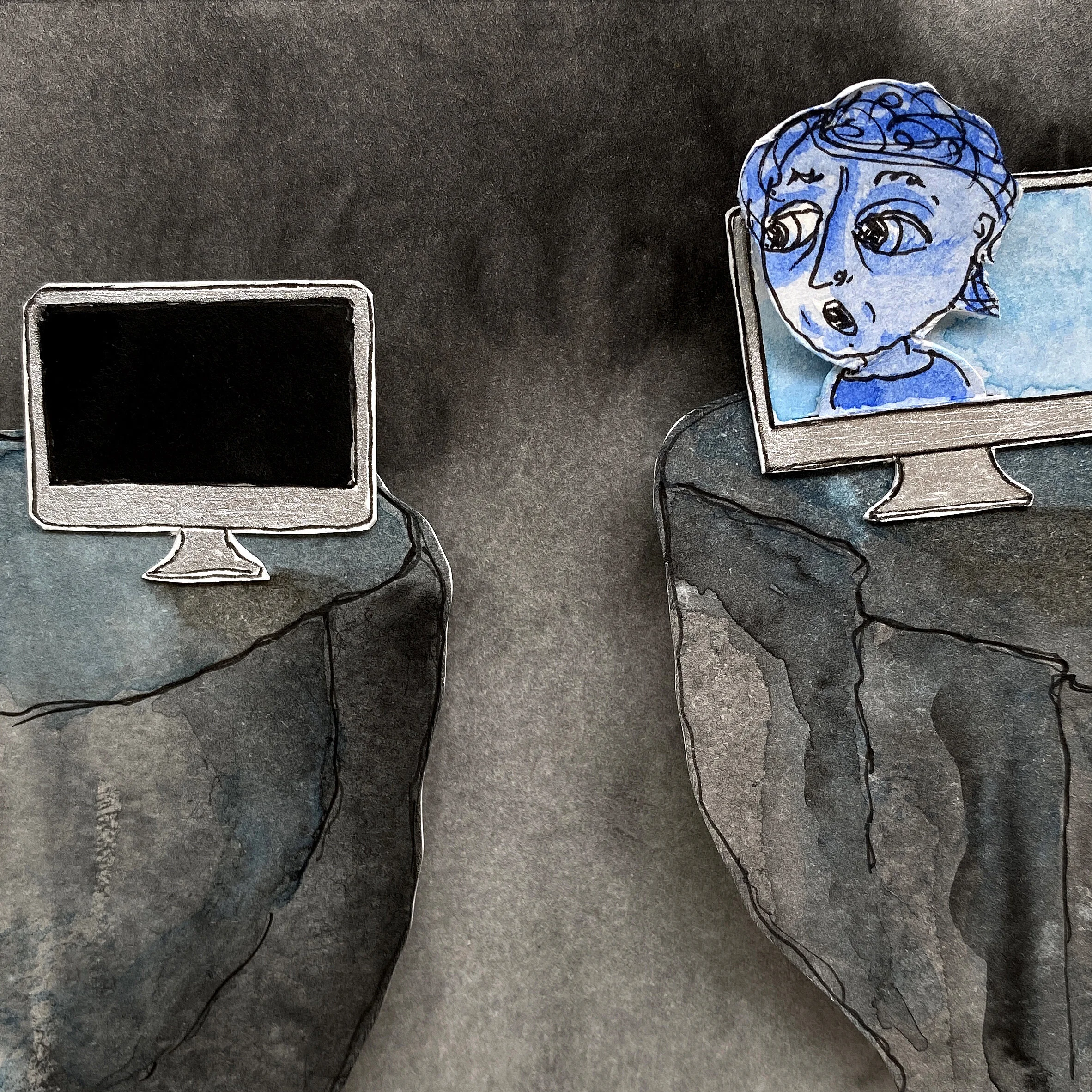
A year into the Covid pandemic, educators and lawmakers across Virginia are still grappling with how to provide a safe, stable and enriching in-person instruction for 1.2 million public school students. Some families worry about the long-term consequences caused by a year of spotty, virtual learning. Others feel safer to ride out the pandemic and school year at home, concerned whether schools can keep their children free from the virus.
Read moreIn 2016, the only age group to see an increase in the percentage of voters was youth aged 18-29. Still, this group lagged far behind all other age groups. Only 46.1% of eligible voters in this age demographic voted according to the US Census Bureau.
VCIJ asked a dozen first-time voters in a presidential election to share what is motivating them to vote in Virginia during this election cycle. They also share what issues they care about, how they get their information and why they feel voting is important.
Read moreEliana Nachman, 18, is a recent graduate of Hermitage High School in Henrico, VA, and has been accepted to Mary Washington University this fall, where classes start on Aug. 24.
The university initially planned a hybrid of online and in-person instruction to minimize the risk of spreading the coronavirus. But as infections grew, the university announced on Aug. 13 that classes would be entirely online until at least mid-September.
The pandemic has upended a year full of promise for Nachman and her friends: “I was hoping it would kind of be all wrapped up by August. I guess I was just being naive.”
Read moreA review of dozens of school policies by the Virginia Center for Investigative Journalism revealed incomplete or inconsistent rules for guarding student data, despite a 2015 state law enhancing protections. Many district policies appeared to be based on 50-year-old state guidelines originally intended to protect information about student health and report cards
Read moreVirginia school administrators say they are struggling to provide mental health services during the coronavirus pandemic, even as vulnerable students continue with online studies away from regular counseling and support.
As school systems move to virtual learning, school counseling resources, deemed critical to student wellness by the U.S. Department of Education, are unable to provide in-person therapy for high-risk students. The alternative treatments -- online sessions or new therapists from community services boards -- could fall short in continuing care and supporting students during the pandemic, mental health professionals say.
Read more