
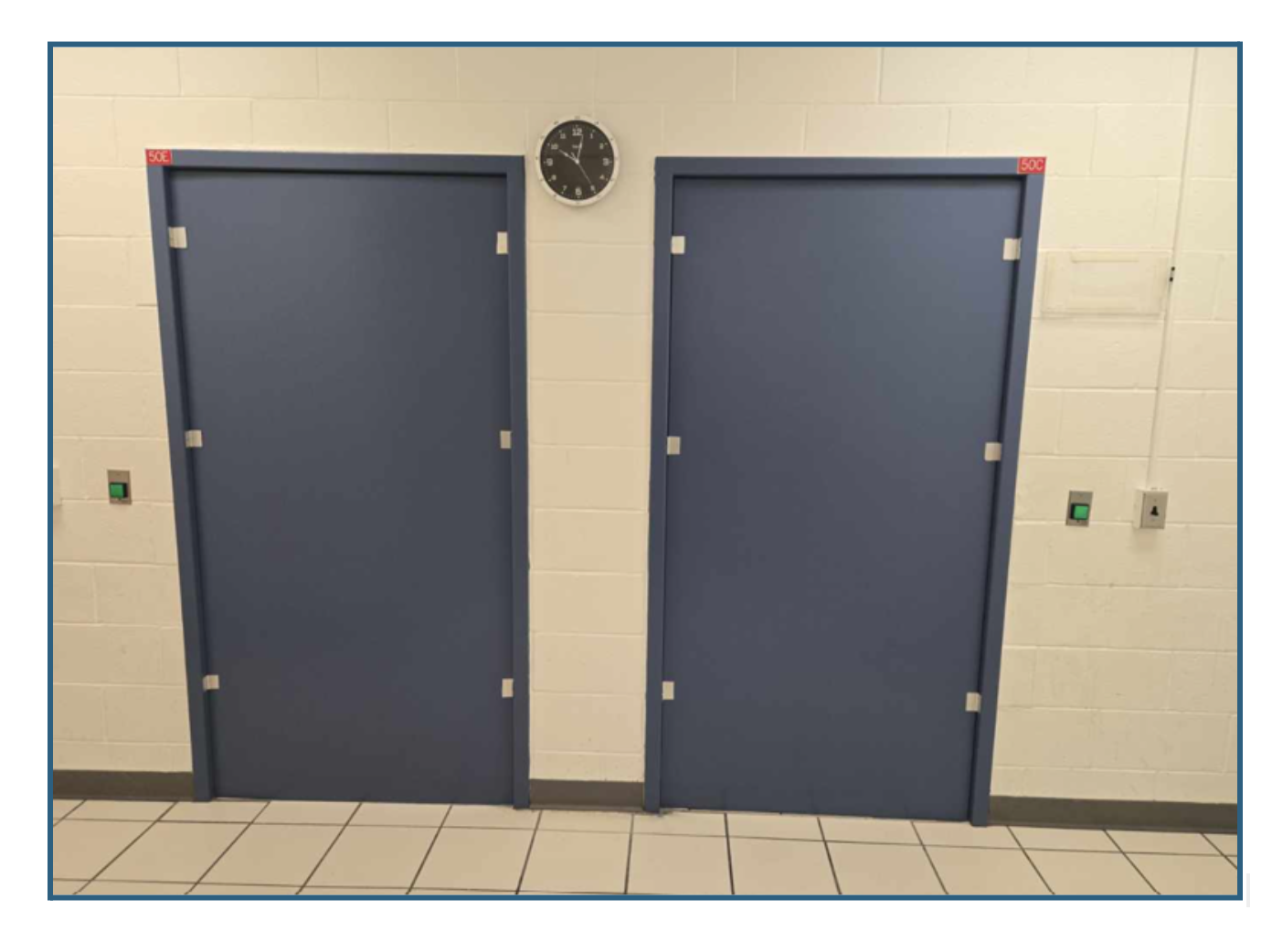
Parents and advocates of special education students pushed for new rules to curb the use of seclusion during behavior outbursts
By John-Henry Doucette
The number of student seclusions declined by nearly half in Virginia Beach last school year, after the division banned the use of dedicated isolation rooms in public school buildings.”
Seclusions seemed to have all but ended after the change was made in February, according to preliminary data provided to the school board in June. Just one student was secluded in the final months of the school year.
Data obtained from the division through a records request shows the number of seclusions shrank from 271 in 2024-25 to 147 in 2025-26, a 46% decrease for a division that previously reported the highest number among Virginia’s public schools.
Still, the practice of isolating students during a crisis is allowed in some Hampton Roads school divisions. Schools in Chesapeake, Hampton, Newport News, and Virginia Beach had the most seclusions in the state, according to the most recent state data.
“I’m happy to see that our numbers and data are significantly down when it comes to seclusions,” Virginia Beach School Board Chairperson Kathleen Brown said. “I think that that’s a celebration for many families in Virginia Beach, and also I look to our special education community to give us more feedback about how it’s been going.”
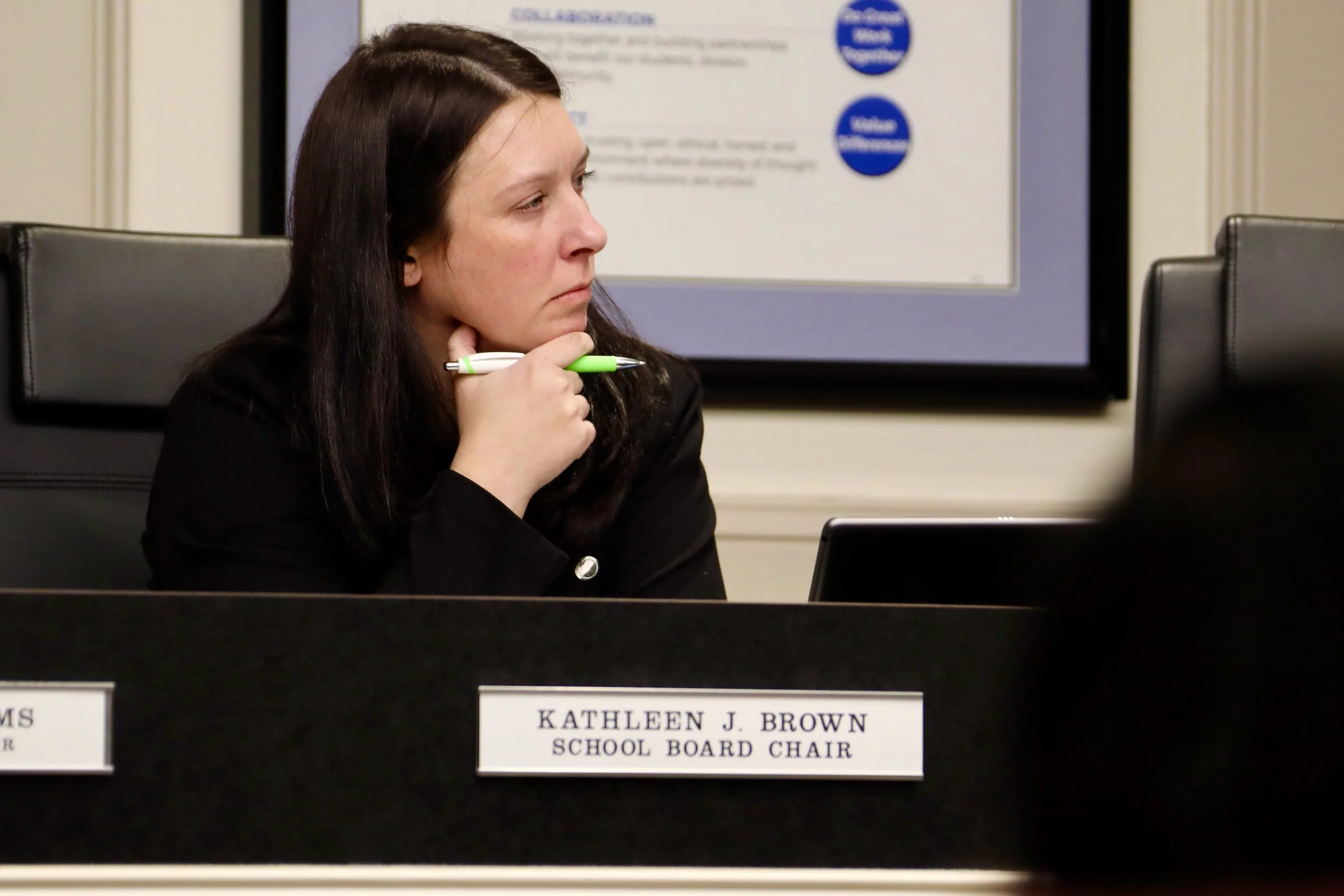
Virginia Beach School Board Chairperson Kathleen Brown
Advocates and parents of children in special education classes petitioned Beach school leaders to end the practice, already banned in Norfolk and other Virginia school divisions.
Seclusion is defined in Virginia as “the involuntary confinement of a student alone in a room or area from which the student is physically prevented from leaving.” Restraint, a related practice, restricts a student’s movement. They are meant to prevent serious harm to a student or others during a crisis.
The practices are disproportionately used with students with disabilities, according to federal data and advocates, and some communities have ended or limited the use of seclusion. School officials in Hampton and Newport News said most, if not all, of their seclusions and restraints took place at regional and independent specialized education programs.
Scrutiny of seclusion in Virginia Beach followed an outcry over revelations that an 11-year-old boy with autism had been confined within a makeshift area inside a classroom at Pembroke Elementary School overseen by Southeastern Cooperative Educational Programs. SECEP is a regional provider of special education services to eight Hampton Roads school divisions.
Josh Sikes, 11, died in November 2024, days after he had been kept within the makeshift area, which was built from furniture strapped together. According to SECEP, the area was not authorized.
Sikes’s mother sued SECEP and four employees, claiming injuries suffered while her son was in the area contributed to his death. The state medical examiner ruled the child died of natural causes related to a seizure disorder.
A Norfolk Circuit Court judge has since removed SECEP as a defendant in the suit.
Virginia Beach’s new policy did not ban seclusion but shuttered dedicated seclusion rooms inside the Renaissance Academy and a wing at Windsor Woods Elementary School in Virginia Beach, both overseen by SECEP.
SECEP programs accounted for 145 of 147 seclusions reported in Virginia Beach last school year, according to information provided by the school division.
SECEP reported a lower tally, telling VCIJ it had 141 seclusions in Virginia Beach before the policy change and none afterward.
School Board Member Alveta Green said success for the policy change would be determined by data over time. “If it continues to go down, that means it’s doing what we had hoped it would do,” Green said.
It looks like it did make a difference, and we’re glad to see that.
School Board Member Matt Cummings advocated ending the use of seclusion altogether and welcomed the decline in seclusion numbers. He said it suggests other interventions are being used with students.
“It looks like it did make a difference, and we’re glad to see that,” he said, adding that he hopes SECEP will update the board about how the change has gone.
Virginia Beach Superintendent Donald Robertson and SECEP Executive Director Laura Armstrong declined to comment for this story.
Meghan Ashburn, chair of the Virginia Beach Special Education Advisory Committee, also advocates ending the practice. “Now that we have put the practice in place and the sky did not fall, we want to go ahead and close the loop on that so the policy is reflective of what we are actually doing,” she said.
WHRO education reporter Ashley White contributed to this story.
Reach John-Henry Doucette at John.Doucette@whro.org
School divisions mentioned in this story are members of the Hampton Roads Educational Telecommunications Association, which holds WHRO’s license.